



Understanding the psychological triggers behind gambling behavior
Understanding the psychological triggers behind gambling behavior
The Allure of Risk and Reward
Gambling is often characterized by its inherent risk, attracting individuals who are drawn to the thrill of uncertainty. The psychological principle of risk and reward plays a pivotal role in this behavior. When individuals engage in gambling activities, they are not merely placing bets; they are entering a realm of excitement where the potential for gain creates an adrenaline rush. This high-stakes environment can trigger a release of dopamine in the brain, which is associated with pleasure and reward. As a result, the anticipation of winning can overshadow the reality of loss, compelling players to continue despite previous outcomes. For an engaging experience, many turn to https://chicken-road2.ca/ as they explore various game options.
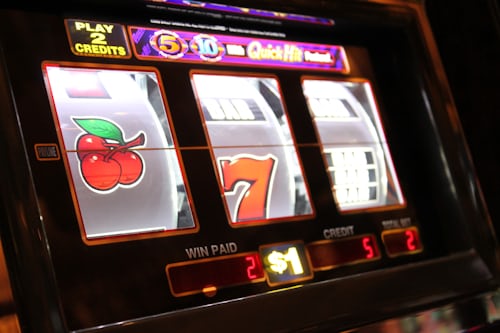
The concept of intermittent reinforcement also enhances the allure of gambling. Unlike consistent rewards, the sporadic nature of wins reinforces behavior, leading to a cycle where the player keeps chasing the next high. This unpredictability can create a powerful psychological drive, leading to repeated gambling behavior as players find themselves caught in the hope of striking it lucky again.
Emotional and Social Influences
Emotions significantly impact gambling behavior, often serving as both a motivator and a mechanism for escape. For many, gambling becomes a way to cope with stress, anxiety, or depression. The temporary distraction it provides allows individuals to forget their troubles, albeit briefly. However, this emotional reliance can lead to problematic gambling habits, where individuals chase losses in a bid to regain emotional equilibrium, often compounding their financial and emotional distress. Interestingly, the chicken road 2 game also offers players a chance to divert their minds in a fun, low-pressure setting.
Social factors also play a crucial role in gambling behavior. Many individuals are influenced by their peers or the social context in which they gamble. Participating in group gambling activities can heighten the sense of excitement and camaraderie, making the experience more enjoyable. This social reinforcement can lead to an increase in gambling frequency and intensity, as individuals seek validation and acceptance within their social circles.
The Impact of Cognitive Biases
Cognitive biases are systematic patterns of deviation from norm or rationality in judgment, and they heavily influence gambling behavior. For instance, the gambler’s fallacy—a belief that past events influence future probabilities—can lead individuals to make irrational bets. When a player loses several times in a row, they may feel that a win is “due,” prompting them to continue betting despite the odds remaining unchanged.
Additionally, overconfidence bias can lead gamblers to overestimate their skills or knowledge about the games they play. This bias fosters a sense of control that is often unfounded, causing individuals to engage in riskier bets. The combination of these cognitive biases creates a fertile ground for irrational decision-making, perpetuating the cycle of gambling behavior, especially in games like the chicken 2 road game.
The Role of Environment and Accessibility
The environment in which gambling takes place can significantly influence behavior. Factors such as the design of a casino, the placement of gaming machines, and even the ambiance can create a sense of urgency and excitement, encouraging players to engage more deeply. In recent years, the rise of online gambling has made access to gambling even more straightforward, erasing physical boundaries and enabling individuals to gamble anytime, anywhere.
This increased accessibility can lead to a higher incidence of gambling-related problems, as individuals may find it challenging to set limits when the temptation is just a click away. Online platforms often employ strategies to keep players engaged, such as promotions and rewards, which can heighten the risk of developing compulsive gambling behaviors.

Exploring Chicken Road 2 and Its Psychological Appeal
Chicken Road 2 exemplifies how gambling can incorporate engaging elements while appealing to psychological triggers. This crash-style casino mini-game invites players to navigate challenges, enhancing decision-making through captivating gameplay. Its high return-to-player rate and adjustable difficulty levels cater to diverse preferences, allowing players to experience both casual fun and thrilling high-stakes action.
The game’s structure offers a risk-free demo mode, allowing users to develop strategies without financial pressure. This feature not only enhances the learning experience but also aligns with the psychological need for control and competence, making it an engaging platform for both novice and experienced players. As such, Chicken Road 2 is more than just a game; it serves as an exploration of how psychological triggers can shape gambling behavior in a modern context.