



Rethinking Corporate Stewardship: The Future of Board Leadership and Directorship
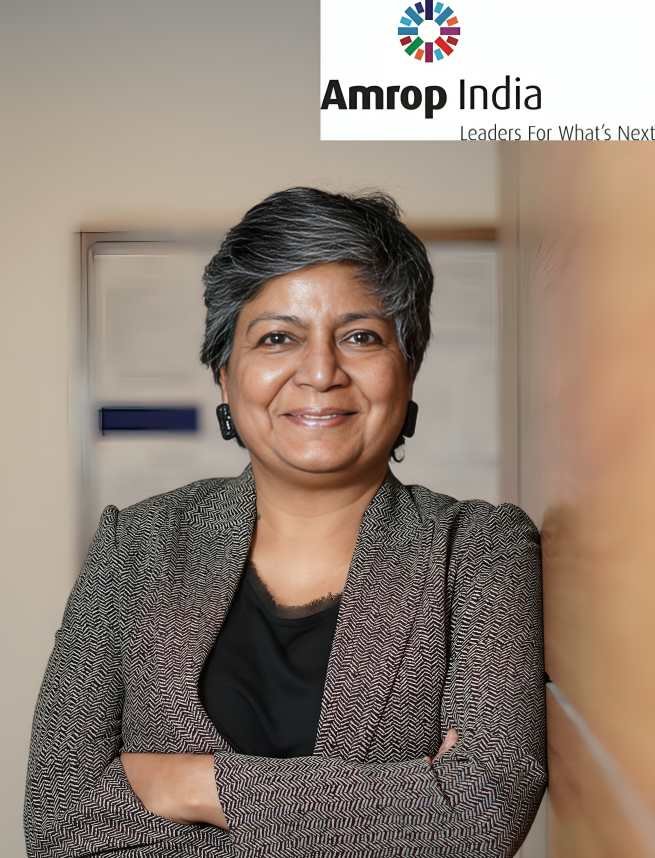
By Preety Kumar, Managing Partner, Amrop India
- The Future of Board Leadership: From Compliance to Consciousness
India’s boardrooms today operate within frameworks that are largely Western in vocabulary and spirit — accountability, independence, audit, disclosure, fiduciary duty. These concepts have served us well in building transparency and discipline. Yet, as global disruptions grow and the world questions the moral foundations of capitalism, it’s time for India to ask: Is our governance system merely compliant, or is it conscious?
Our boards have become too procedural — checking boxes rather than checking their moral compass. This Western model, born of capitalism, prizes accountability and independence but often overlooks purpose, community, and conscience. By contrast, India’s civilizational ethos has always located leadership in trust, service, and righteousness. Our historical institutions — from guilds to philanthropic business families — created “trust wealth” before financial wealth.
As geopolitical conflict, environmental distress, and social inequity reshape global systems, the question before Indian boards is no longer “Are we compliant?” but “Are we doing what is right?” The role of the board must evolve — from being a regulator’s extension to being a custodian of institutional purpose.
We need to rethink the Indian way of corporate governance — one that blends the efficiency of the Western model with the harmony of the Eastern, rooted in Dharma: doing the right thing, for the right purpose, at the right time. Boards must become trustees of long-term value, not just guardians of quarterly performance.
2. The Future of Directorship: From Independence to Custodianship
If boards are to become trustees of purpose, directors — especially independent directors — must evolve from procedural overseers to ethical stewards. Many directors today are former executives, used to operational control. Yet the boardroom demands a different kind of leadership — one that combines judgment with humility, detachment with engagement.
A director is not merely a representative of shareholders; they are a custodian of the company itself. Regardless of whether one is an independent or nominee director, the primary responsibility is to the institution — to ensure its moral, strategic, and societal sustainability.
Independence must not translate into isolation. While independence of mind is vital, effective directors remain emotionally connected to the company — learning its business deeply, understanding its people, and aligning with its larger purpose. Board service is a part-time role with full-time responsibility. The best directors are self-motivated, intellectually curious, and emotionally invested in the company’s journey.
India needs a new generation of directors who can marry competence with conscience — who see governance not as an obligation but as service. The future of directorship lies in
this delicate balance: detached yet devoted, independent yet interconnected, discerning yet compassionate.
The Way Forward
As the world fragments and economies seek identity, India has a historic opportunity to define its own model of corporate governance — one that is rooted in Dharma, not borrowed from the West. Our boards must become guardians of balance, ensuring that profit serves purpose and that growth creates goodness.
The next era of corporate leadership will not be led by those who only comply with the law, but by those who embody the law of right conduct. That is the Indian way forward — governance not just of corporations, but of conscience.